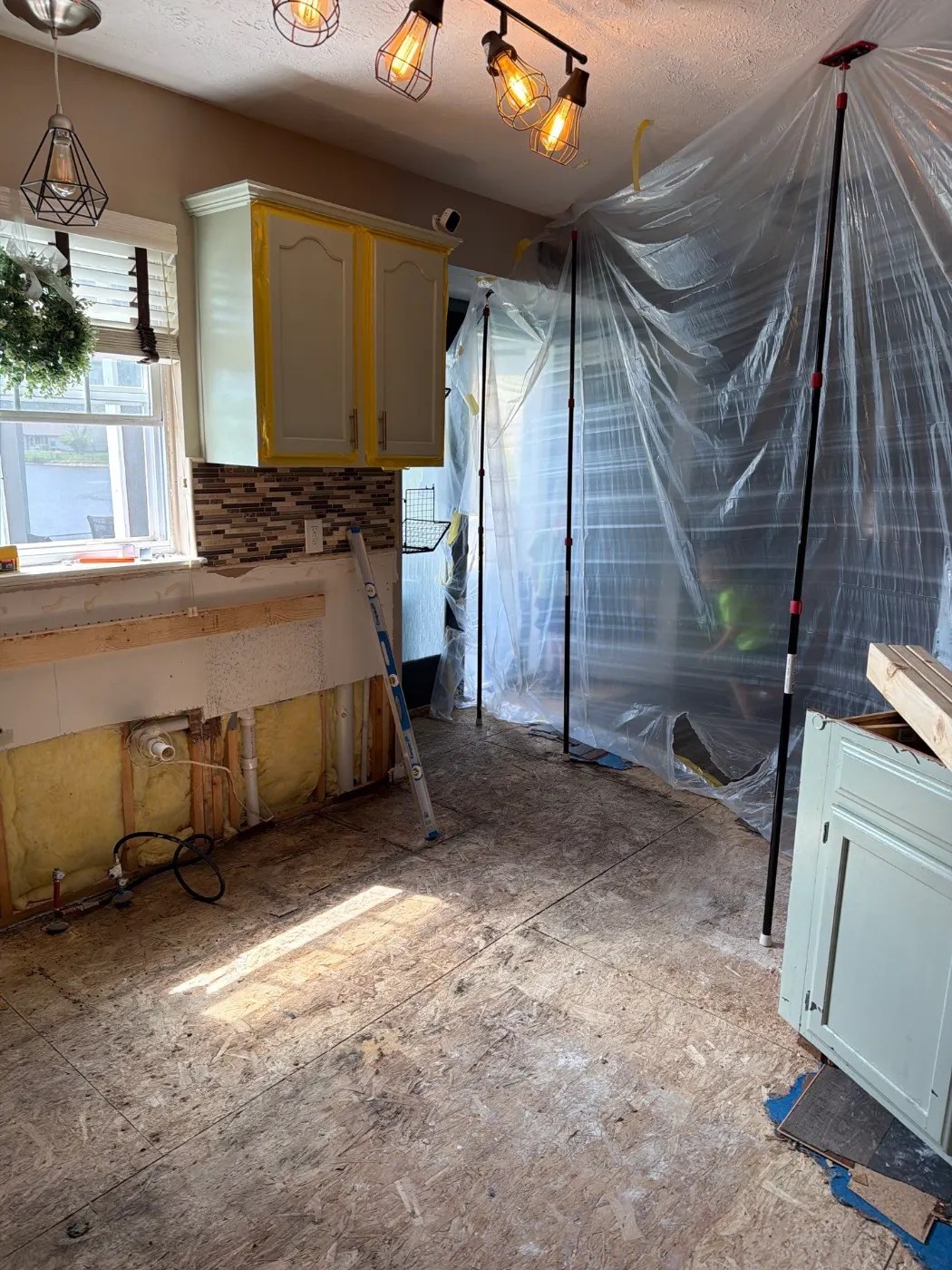
Basement Flooding in Ingalls, IN
Basement flooded in Ingalls? A crew dispatches within two hours with pumps, meters, thermal imaging and containment.
Basement Flooding in Ingalls, IN starts with one call to Ingalls Water Restoration: live 24/7 dispatch, IICRC certified response, and honest written scopes before work begins. Call (765) 508-0821.
- Service: Basement Flooding for Ingalls homeowners
- Service area: Ingalls, IN and surrounding areas
- Response time: Fast local response for Ingalls; live dispatch every hour of the year
- Licensed and insured (License #RC21100059)
- Serving Ingalls, IN since 2018
Basement Flooding Cleanup in Ingalls
If your basement in Ingalls has water in it, we'll pump it out and dry the space to a measured standard.
Basements Here
Full basements are common in Ingalls.
Where the Water Comes From
Homes near Fall Creek face added flood risk after heavy rain. Clay soil drains slowly here, so the ground stays wet after a storm.
Our crews work all over Ingalls, from Springbrook to the streets near Ingalls Town Hall and Broadway Street. Nearby, we also pump out basements in Fishers, Noblesville, Lapel and Fortville.
Expert Basement Flooding for Ingalls Homeowners
The clock on a wet basement runs on microbial growth, which can begin within 24 to 48 hours once cellulose material stays wet. The paper on drywall, the facing on batt insulation, wood framing and stored cardboard all feed it, and a basement's enclosed air holds the cool damp conditions growth prefers. Ingalls Water Restoration dispatches to Ingalls within two hours, because the scope stays smallest when extraction and real dehumidification start on day one.
Water gets a category from where it came from, and the category can change as the water sits. A water heater leak starts out clean, and after a day soaking into carpet and pad in your Ingalls basement it can qualify as something worse. Ingalls Water Restoration writes down the source and the hours that have passed, then explains the category call that follows from them.
Built ins in a finished basement in Ingalls get their own treatment. The toe kick on a vanity or cabinet comes off so the crew can read the wood behind it and dry the space underneath. Solid wood and plywood often dry in place, while swollen particleboard and laminated panels usually come out. Stair treads and stringers get readings too, and each piece is photographed before the decision.
If you plan to call your insurance company, it helps to have the facts ready. Ingalls Water Restoration dispatches within two hours, starts the documentation at the first walkthrough and gives you the photos and readings, so the call happens with facts in your hand. Whether and when to file is your decision, and your agent can explain what your policy asks of you.
Water sitting in your basement in Ingalls gets more expensive every hour it stays there. Call Ingalls Water Restoration now. A crew dispatches day or night, with pumps, dehumidification and the meters to find out how far the water went. The documentation is yours either way.
Signs You Need Basement Flooding Cleanup
If you notice any of these in your Ingalls home, schedule a free inspection before the issue worsens.
Water showing up in the same corner of the Ingalls basement every time the ground stays saturated
Wall panels or foam board in your Ingalls basement bulging outward, with water trapped behind them
A damp line along the seam where the basement floor meets the wall, darker after a long rain
Baseboard swollen and pulling off the wall, with paint lifting in the bottom few inches of drywall
The dehumidifier bucket filling far faster than it used to
White chalky crust on the block or poured wall where water has been moving through the masonry
Storage tubs in your Ingalls basement sitting in standing water, with papers and photos stuck together
The sump pump in your Ingalls home hums but no water moves up the discharge pipe
A musty, earthy smell that hits you as soon as you open the door at the top of the stairs
Paint blistering and peeling off the lower foundation wall of your Ingalls basement in sheets
How Ingalls Water Restoration Handles Basement Flooding
We follow these steps in order on every Ingalls job.
Silt and Debris Cleanup
Water from outside leaves silt on the slab and along the base of the walls. The crew shovels and vacuums the sediment, then cleans the surfaces that stay, because mud holds moisture against the floor and sours quickly in a closed space.
Surface Cleaning
Once removal is done, the crew cleans the slab and the framing that stay in your Ingalls basement. Air scrubbers run during the work, and the surfaces are ready for the drying equipment before it goes in.
Clearance Verification
Final readings get taken on every material that was wet and compared against the same material elsewhere in the house that the water never reached. Equipment comes out after those numbers are documented, and the containment comes down after the equipment does.
Records Handoff
You receive the photo report, the moisture map, the daily logs and the equipment record for your Ingalls basement in one file. The crew goes through it with you and answers questions about any line, so you can use it with your insurance company.
Rebuild and Finish
Insulation, drywall, trim, paint and flooring go back in after the clearance readings. The finished work gets walked with you against the scope you approved in writing, and the drying readings stay in your file.
Basement Flooding in Ingalls
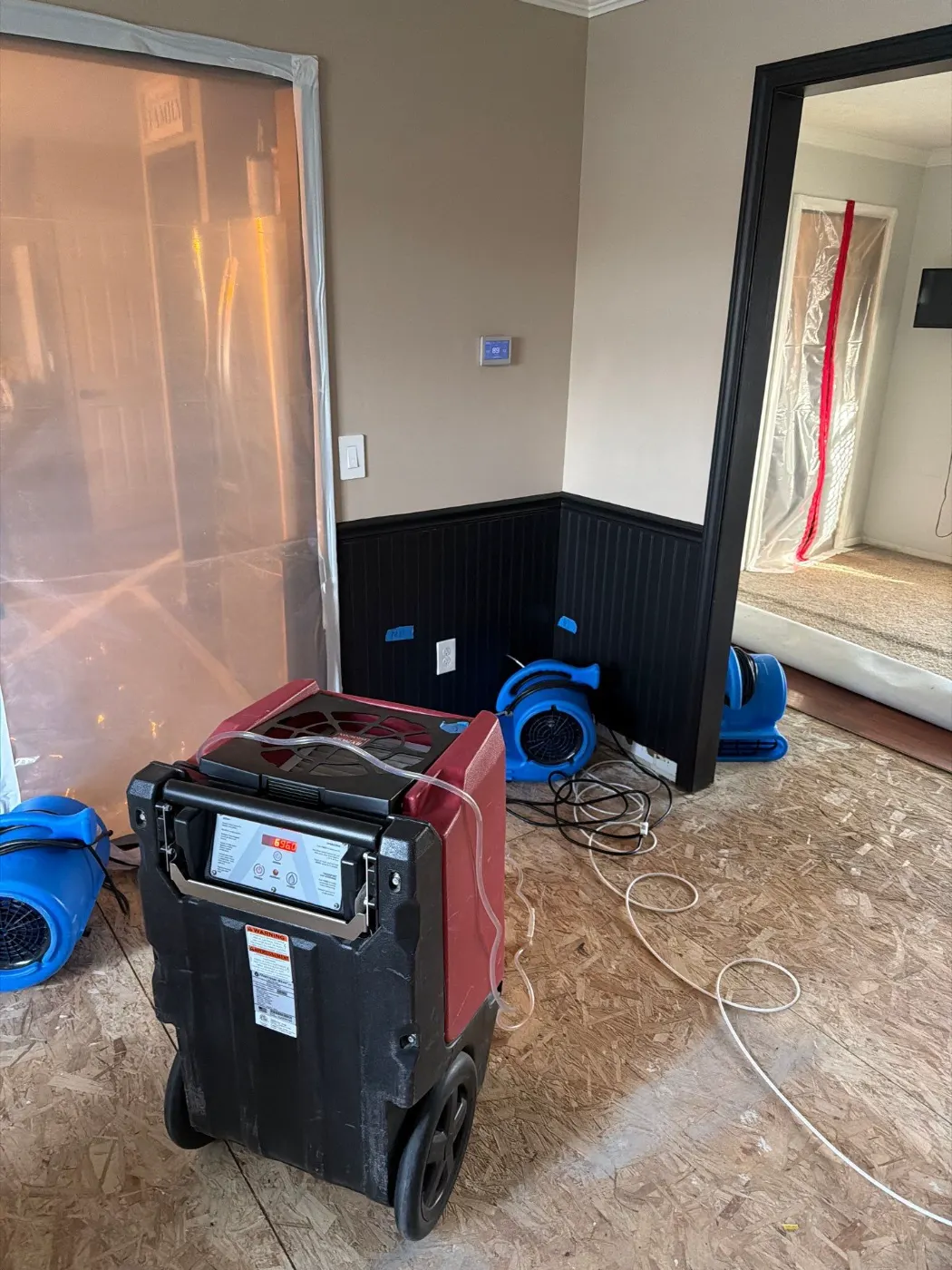
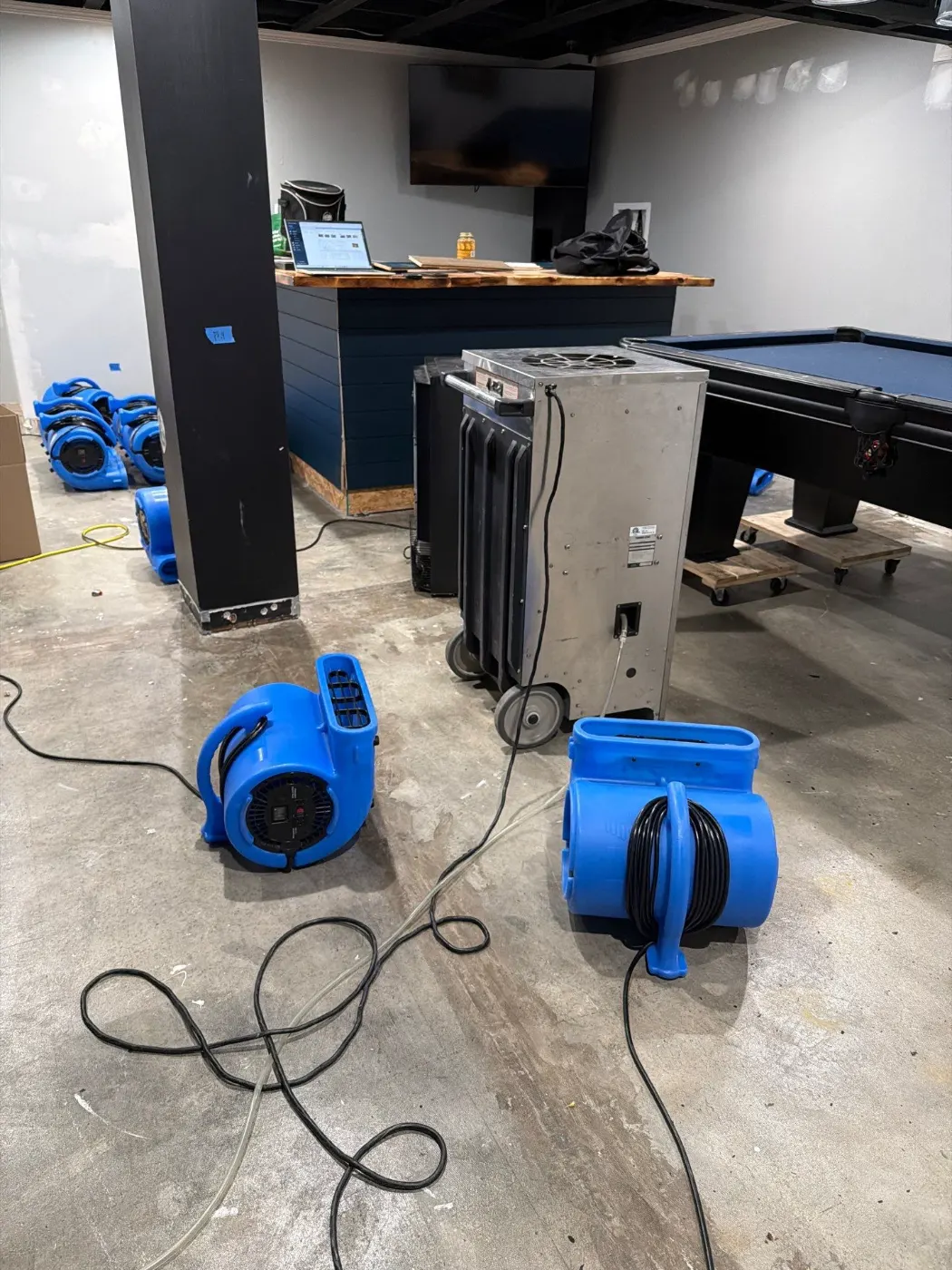
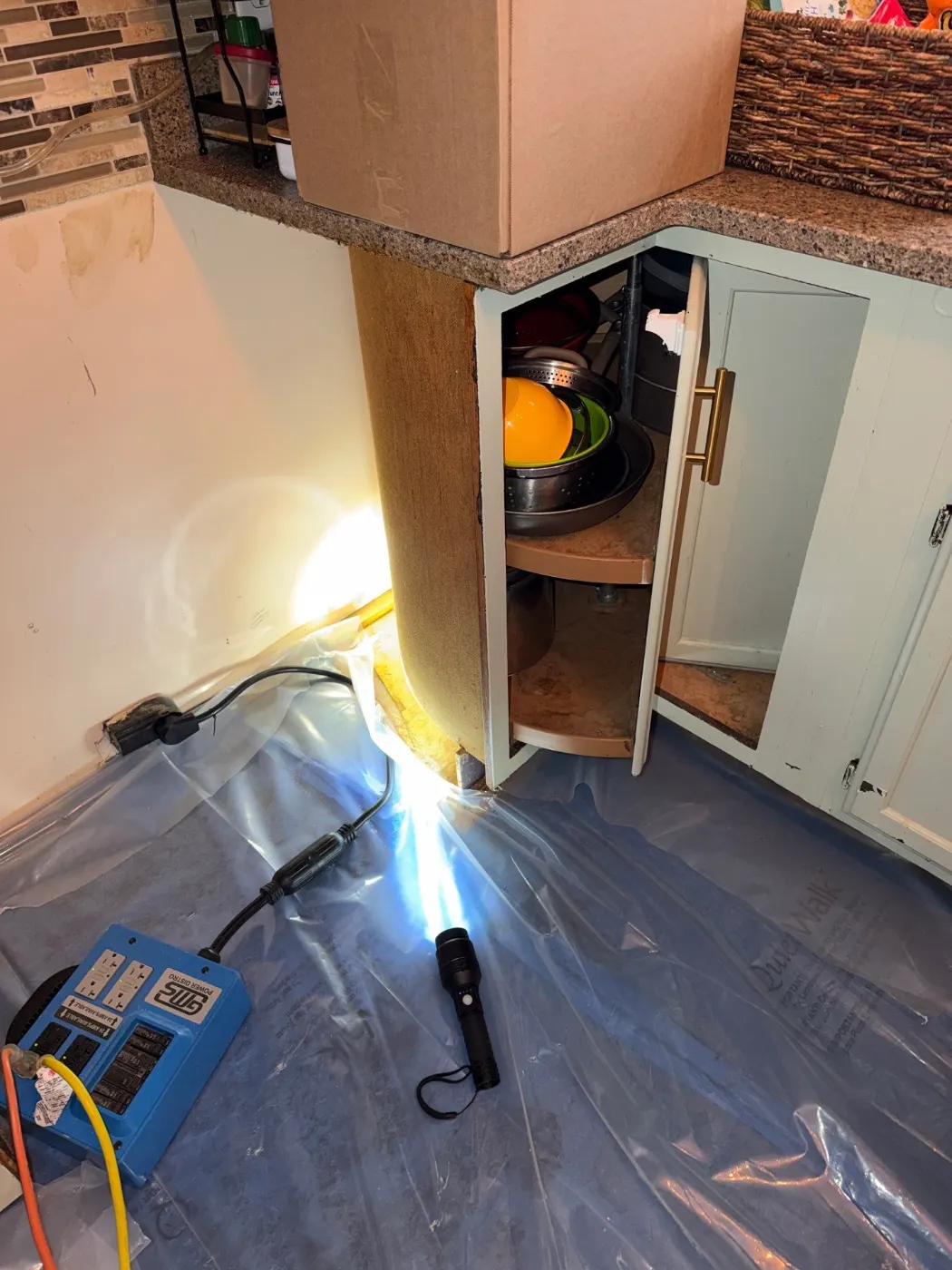
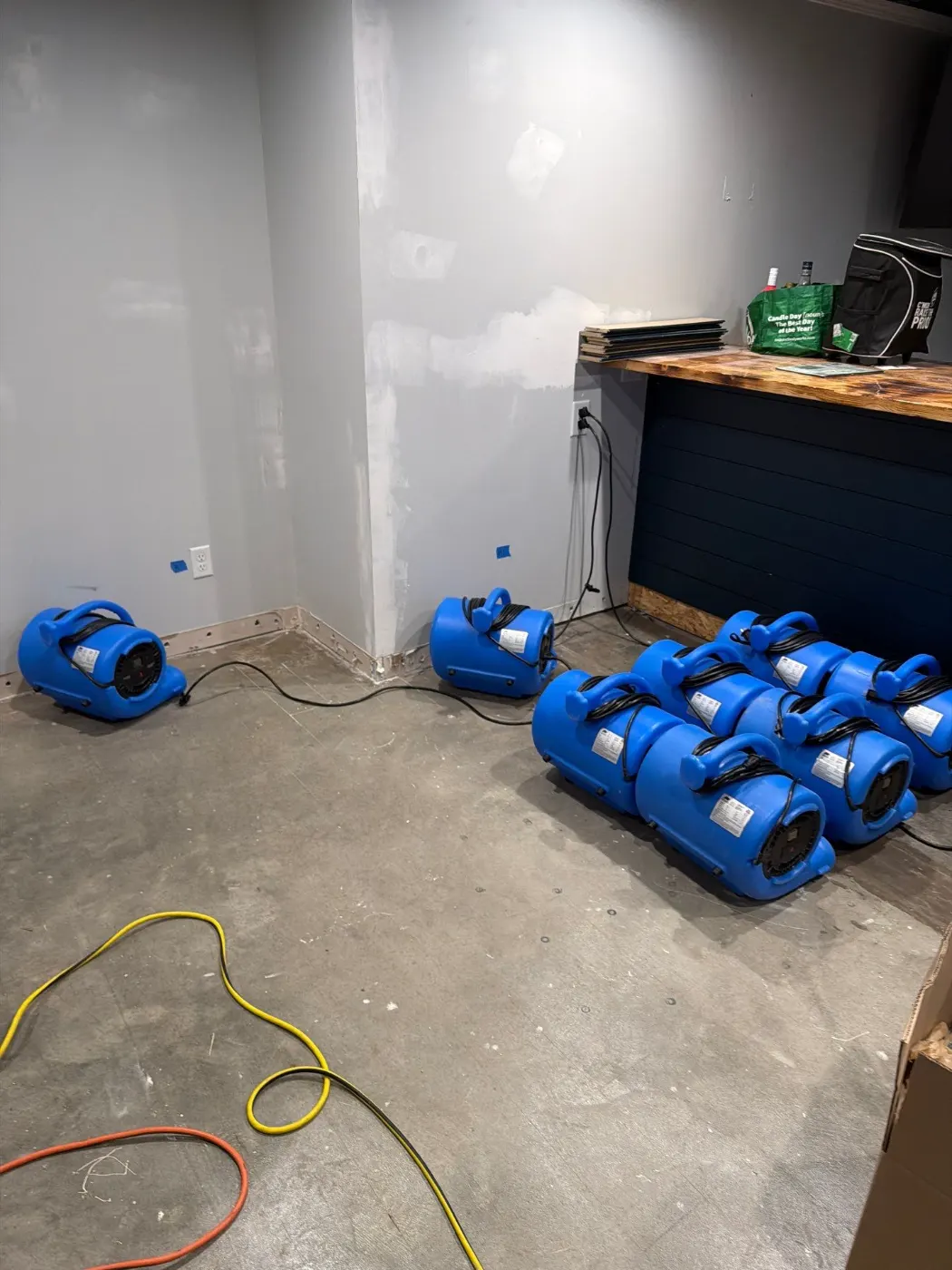
Photographs from real basement flooding jobs completed by our crew in Ingalls and surrounding areas.
Basement Flooding FAQ
Questions Ingalls homeowners ask us about basement flooding cleanup.
Guidance and Standards for Basement Flooding
- EPA advises drying water damaged areas and items within 24 to 48 hours to prevent mold growth. EPA: A Brief Guide to Mold, Moisture and Your Home
- Ready.gov notes that homeowners insurance policies don’t cover flooding, so check what your own policy says. Ready.gov: Floods
Ingalls Neighborhoods We Serve
We take basement flooding calls in every part of Ingalls. Pick your neighborhood for local details.
Other Restoration Services in Ingalls
Ingalls Water Restoration handles the full scope of restoration work. Explore our other services below.
Water Damage Restoration in Ingalls
24/7 emergency response. IICRC certified water restoration from extraction to full dry out.
Learn more →Sewage Cleanup in Ingalls
Category 3 biohazard cleanup. Full containment, decontamination, structural restoration.
Learn more →Storm Damage in Ingalls
Storm related water emergencies. Tarping, extraction, drying, and full restoration.
Learn more →Request Basement Flooding Cleanup
Reach Us Directly
Our team is available 24/7 for emergencies and ready to schedule inspections during business hours.
Need Immediate Help?
For active water or mold emergencies, call us directly. We are available 24/7.