What does mold remediation actually cost in Ingalls?
For most Ingalls homes, professional mold remediation falls somewhere between $1,500 and $6,000. Small isolated jobs, like a single bathroom wall or a section of closet drywall, often land at the lower end. Larger projects involving multiple rooms, HVAC contamination, or attic and crawl space work can run $8,000 to $30,000 or more. The driving factors are square footage of affected area, the type of mold present, how much containment we need to build, and whether structural materials like drywall, insulation, or subfloor have to be removed and replaced.
Why is there such a wide price range?
Because no two mold jobs are alike. A homeowner with a slow sink leak that produced visible mold on the cabinet back is looking at a very different scope than a homeowner whose basement flooded six weeks ago and now has mold growing behind finished walls. The wide range reflects real differences in labor hours, disposal volume, equipment runtime, and the level of containment required. The species of mold also matters. Common Cladosporium or Aspergillus growth on a bathroom ceiling is handled differently than confirmed Stachybotrys (often called black mold) found behind a basement wall, where stricter containment and PPE protocols add to the labor cost. If you want to understand how quickly a small problem becomes a large one, our explainer on how fast mold grows after water damage is worth reading.
Can you save money by doing some of it yourself?
For a contained patch under about ten square feet on a non porous surface, careful DIY cleaning with proper PPE is reasonable. Beyond that, you risk spreading spores throughout your Ingalls home, which turns a $1,500 problem into a $10,000 one. Cutting drywall without containment, running a household shop vacuum on moldy material, or skipping the moisture source repair are the three most common DIY mistakes we see. If the water source is still active, fixing it first is non negotiable, which often ties back into water damage restoration work that must happen before remediation can begin.
What is included in a professional remediation estimate?
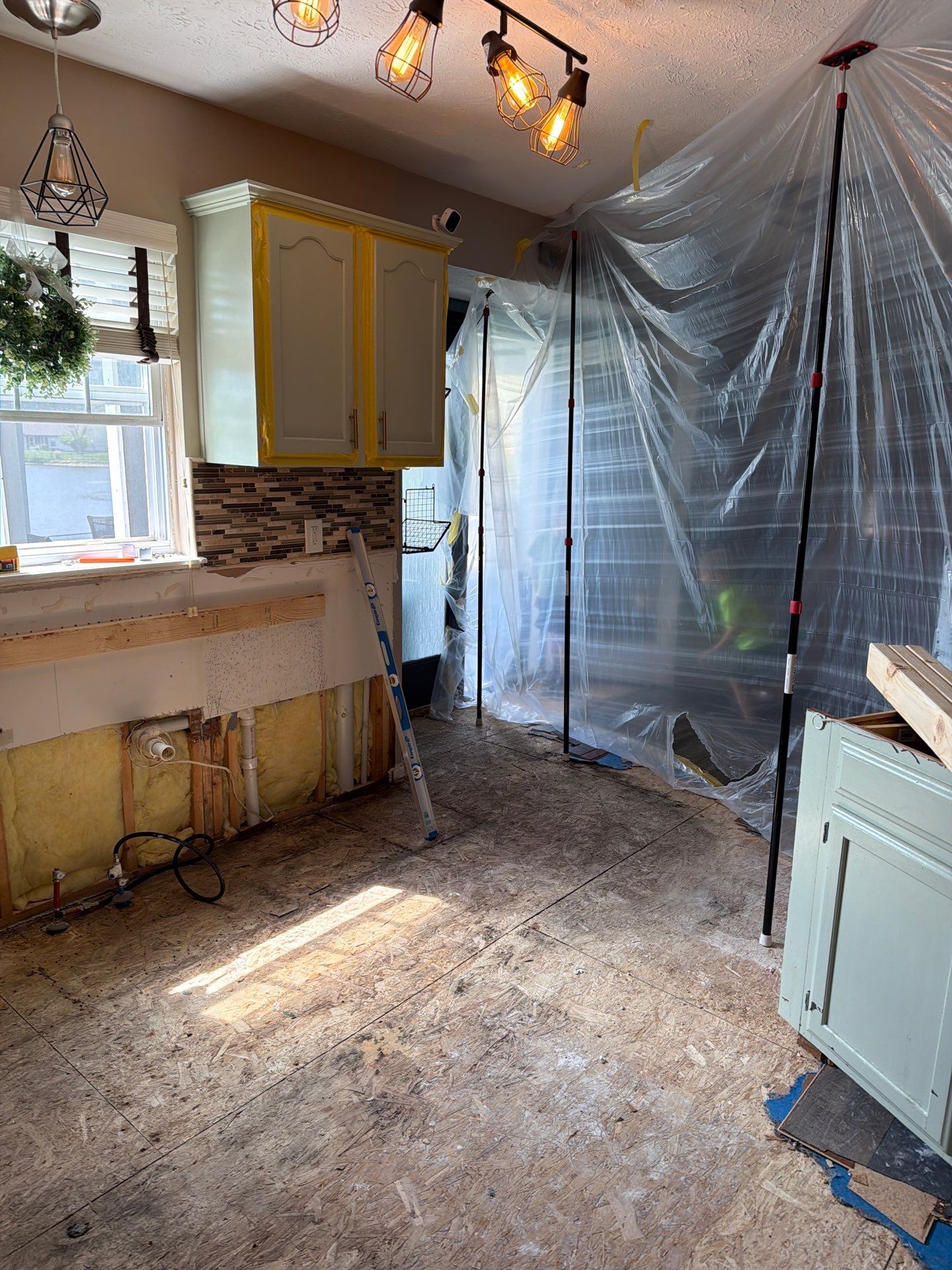
A complete estimate from Ingalls Water Restoration covers the inspection and moisture mapping, setting up containment with plastic sheeting and negative air pressure, HEPA air scrubbing throughout the work, physical removal of contaminated materials, antimicrobial treatment of remaining surfaces, HEPA vacuuming, and final cleaning. We also include disposal of contaminated debris in sealed bags and a post remediation verification walk through. If third party air testing is part of the project, that line is listed separately so you can see exactly what you are paying for. Be cautious of any estimate that lumps everything into a single number without describing the scope, the affected square footage, or the materials being removed. A vague quote almost always leads to change orders once the work starts, and a detailed line item estimate protects you from surprises.
How much does the inspection cost?
Your initial assessment with Ingalls Water Restoration is free. We walk the affected areas of your Ingalls home, use moisture meters and thermal cameras to find hidden wet spots, and identify visible growth. If you need formal air sampling or lab analysis for a real estate transaction or insurance claim, that testing is a separate cost, typically $300 to $600 depending on how many samples are collected. For most homeowners, the free visual and moisture inspection is enough to scope the job. When you call us about active growth or a recent water event, we dispatch a technician within 2 hours in most cases so the problem does not have time to spread before we can see it.
Does insurance pay for mold remediation?
Sometimes, and the answer depends on the cause. If mold grew because of a sudden covered water event, like a burst supply line, many policies will cover part of the remediation up to a sublimit (often $1,000 to $10,000). If the mold came from a long term leak, poor ventilation, or flooding from outside, coverage is usually denied. We document everything photographically and provide moisture readings that help your adjuster make a decision. Our guide on filing a water damage insurance claim walks through the documentation that strengthens your case.
How long does the job take and does that affect cost?
Most residential remediation projects in Ingalls take two to five days of active work, plus drying time before and verification testing after. Larger jobs run a week or more. The timeline matters because equipment rental, containment maintenance, and labor hours all scale with duration. We give you a realistic day count up front so you can plan around the work, and we do not stretch a job to inflate the bill.
How can you keep costs from climbing after the job is done?
The single best way to protect your remediation investment is to control moisture going forward. Most repeat mold calls we get in Ingalls are not from spores we missed, they are from a humidity problem or a slow leak that was never fully resolved. Keep indoor relative humidity between 30 and 50 percent, run bathroom exhaust fans for at least twenty minutes after showers, and check under sinks and around water heaters every few months for early signs of seepage. If your home has a history of basement moisture, a dehumidifier sized to the space pays for itself many times over compared to a second remediation. Ingalls Water Restoration can also schedule a follow up moisture check six months after the job, which is a small investment that catches new issues while they are still cheap to address.
What drives the price up the most?
Three things push remediation costs higher than homeowners expect. First, hidden damage behind walls or under flooring that was not visible during the initial walk through. Second, HVAC contamination, because once spores enter the duct system they travel throughout the house and require duct cleaning plus source removal. Third, structural repairs after the remediation is complete. The actual mold removal is one phase, but if we had to cut out drywall, remove cabinets, or pull up subfloor, those materials need to be rebuilt. Some homeowners hire Ingalls Water Restoration for the remediation and a separate contractor for the rebuild, while others ask us to handle both. Access also matters more than people realize. A crawl space with eighteen inches of clearance takes longer to work in than a finished basement, and an attic in summer heat slows crews down and requires more frequent breaks, both of which show up in the labor line.
What about post remediation verification?
After we finish removing contaminated materials and cleaning, we recommend a clearance inspection to confirm the work is complete. Some homeowners use third party air testing, while others rely on a visual and moisture verification. Testing adds a few hundred dollars but gives you documentation that can matter later if you sell the home or need to satisfy an insurance file.