Quick Answer
Attic water damage from a roof leak needs three things addressed in order: stop the water entry, dry the structure to IICRC standards, and remove any contaminated insulation or mold growth. Skipping the drying step is the most common mistake homeowners make, and it is what turns a $1,500 repair into a $9,000 one.
How to Identify Attic Water Damage
Most attic leaks are first noticed from the living space below. Before you assume the worst, walk through this checklist.
Visible Signs Inside the Home
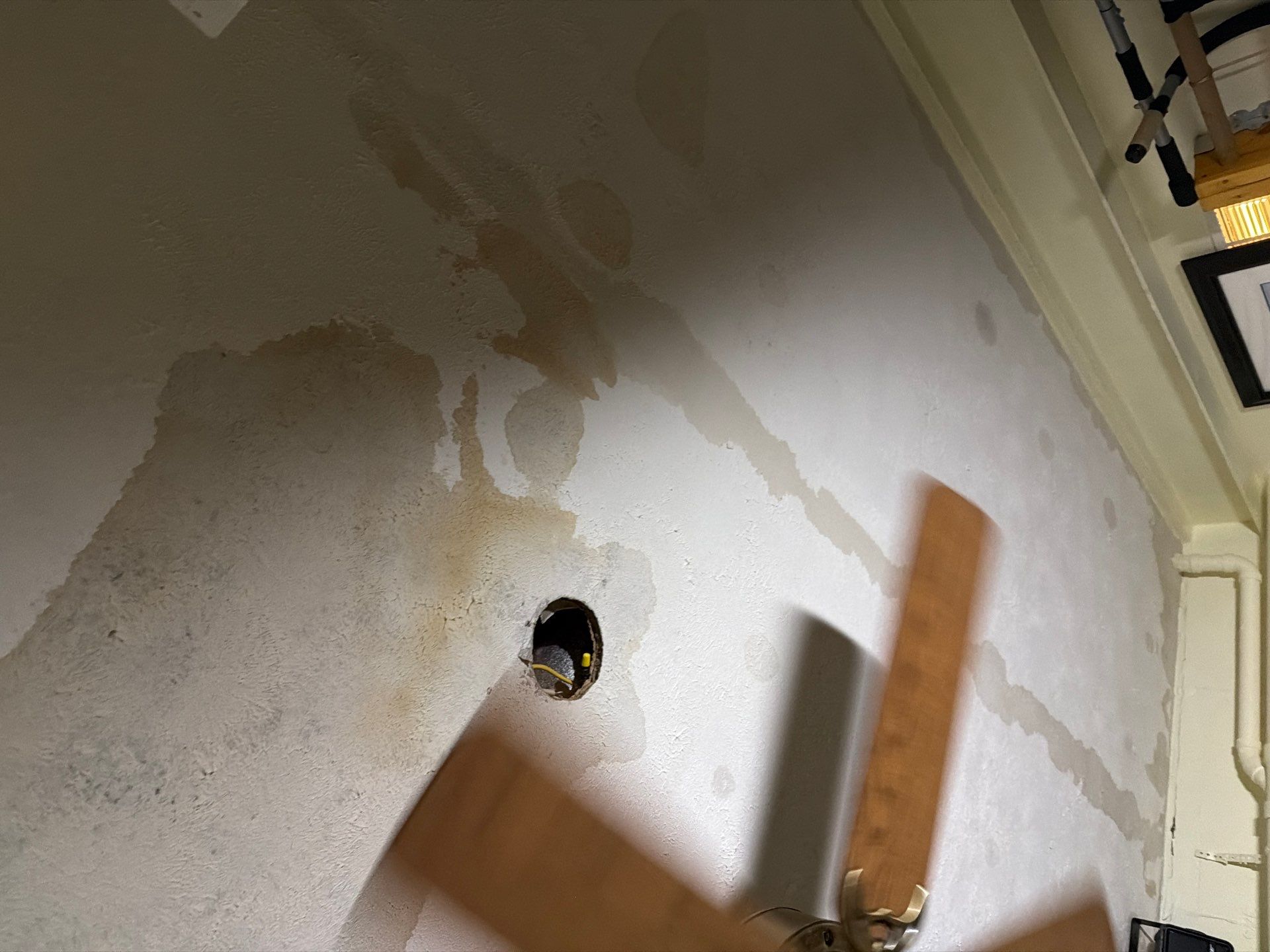
- Brown or yellow rings on ceilings, especially near exterior walls or chimneys
- Bubbling or peeling paint on upper-floor ceilings
- A musty smell when you open the attic hatch
- Sagging drywall or soft spots overhead
- Higher humidity on the top floor than the rest of the home
Signs Inside the Attic Itself
- Dark staining on rafters, trusses, or the underside of roof decking
- Matted or compressed insulation, especially fiberglass batts
- Rusted nail tips poking through the decking (a classic condensation and leak indicator)
- Visible mold colonies, often black, green, or white fuzzy patches
- Daylight visible around vent boots, skylights, or chimney flashing
How Long the Damage Has Been Active
Timing changes the repair scope significantly. A stain that is still wet to the touch and has clean edges usually points to a recent event, often the last storm. A stain with concentric rings, dark borders, or a chalky white residue around it has been cycling wet and dry for weeks or months. If insulation below the stain feels heavy or smells sour, the leak is older than the visible evidence suggests, and decking inspection becomes a priority.
What You Can Do Before We Arrive
- Place buckets and towels under any active drips
- Move stored items in the attic away from wet zones if it is safe to do so
- Photograph everything, including the attic, ceiling stains, and any damaged contents
- Do not run bathroom or kitchen exhaust fans into the attic space
- Do not climb on the roof during or after a storm
- Turn off any recessed light fixtures or attic-mounted equipment directly below a wet zone
- Note the time the leak started and any weather conditions, since insurers ask for this
Wet insulation often hides the start of fungal growth. If 48 hours have already passed since the leak began, review mold growth after water damage so you know what to ask our technician during the inspection.
Preventing the Next Attic Leak
- Schedule a roof inspection every two years, or annually if your roof is over 15 years old
- Clean gutters twice a year, more often if you have overhanging trees
- Confirm that bathroom and dryer vents terminate outside, not into the attic
- Check attic ventilation: soffit and ridge vents should be clear and balanced
- Replace cracked rubber vent boots before they fail completely, usually around year 10
- After major storms, do a quick visual check from the ground with binoculars for missing or lifted shingles
Common Roof Leak Sources in Ingalls
The leak source determines the repair scope. Here are the points of failure we see most often during attic assessments.
| Source | Typical Cause | Risk Level |
|---|---|---|
| Damaged or missing shingles | Wind, hail, age over 20 years | High |
| Flashing failure | Chimney, skylight, valley, or vent pipe seals | High |
| Ice dams | Poor attic insulation and ventilation | Seasonal, severe |
| Clogged gutters | Debris backing water under shingles | Medium |
| Cracked vent boots | UV degradation of rubber gaskets | Medium |
| Condensation (not a leak) | Bathroom fans venting into the attic | Medium |
If you are seeing stains on a ceiling but cannot trace the source, our team uses moisture meters and thermal imaging during the inspection. This is the same approach we describe in our guide to hidden leak detection behind walls, applied to roof systems instead.
One detail worth knowing: water rarely drips straight down. It tracks along rafters, follows the underside of decking to the lowest point, and then drops. The stain you see on the ceiling can sit five or ten feet from the actual entry point. That is why a quick patch over the visible drip almost never solves the problem on its own.
The Ingalls Water Restoration Restoration Process
Every attic job follows the same core sequence, adjusted for the size of the affected area and how long water sat.
- Free assessment. We map the wet zone with moisture meters, identify the leak path, and document everything for your insurance carrier.
- Temporary leak control. Tarping or interior diverters stop new water while permanent roof repair is scheduled.
- Insulation removal. Saturated fiberglass, cellulose, or batting is bagged and disposed of. Wet insulation does not dry in place.
- Structural drying. Air movers and dehumidifiers run on the decking and framing until moisture content matches dry standards.
- Antimicrobial treatment. If mold is present or likely, we apply EPA-registered products under S520 protocols.
- Reinsulation and repairs. New insulation, drywall patching on the ceiling below, and paint touch-up.
For active leaks, Ingalls Water Restoration dispatches a crew in most cases within 2 hours so tarping and containment happen before the next rain. Drying equipment is typically left in place for three to five days, with daily moisture readings logged so you can see progress and so your insurance adjuster has documentation to support the claim.
Cost and Timeline Expectations
Pricing varies with square footage, insulation type, and whether mold remediation is needed. The ranges below reflect typical Ingalls projects.
| Scope | Typical Cost Range | Timeline |
|---|---|---|
| Small leak, minor drying | $800 to $2,000 | 2 to 4 days |
| Moderate damage with insulation removal | $2,500 to $6,500 | 4 to 7 days |
| Extensive damage with mold remediation | $6,500 to $15,000+ | 7 to 14 days |
| Structural decking replacement | Add $3,000 to $8,000 | Add 3 to 5 days |
Most homeowners policies cover sudden roof leak damage but exclude long-term neglect. Our office helps document the claim, and you can review the basics in our overview of how to file a water damage insurance claim before we arrive.